 Helena T.
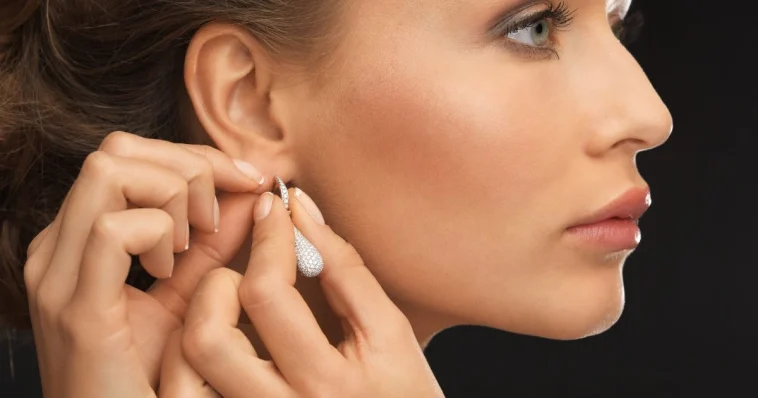
Modern jewelry trends show a clear shift toward daily-wear luxury pieces, and diamond earrings have become one of the most worn accessories in this category. Recent fashion and jewelry care discussions highlight how diamonds are no longer reserved only for special occasions. Instead, they are now part of everyday styling, paired with casual outfits, office wear, and even travel looks.
With this change, learning how to properly care for diamond earrings has become more important. Daily use naturally increases exposure to dust, moisture, hair products, and accidental impact. While diamonds are known for durability, their settings and metals still require protection to avoid long-term damage.
Brands like Tiffany & Co., Cartier, Harry Winston, and Blue Nile continue to shape how diamond jewelry is designed and worn. Many modern pieces are created for versatility, but even high-quality craftsmanship needs proper care to maintain brilliance and structure over time.
Why Diamond Earrings Still Need Protection Despite Durability
Diamonds are among the hardest natural materials on earth, but that does not mean they are indestructible. The stone itself is strong, but the setting that holds it can loosen or weaken over time. This is where most damage actually happens.
Recent jewelry care insights emphasize that everyday wear is the main factor affecting diamond earrings. Small impacts, pressure, or exposure to chemicals can gradually affect metal prongs, clasps, and mounting stability. Even minor loosening can increase the risk of losing a stone.

This makes preventive care essential. Instead of focusing only on cleaning, protection habits play a bigger role in preserving both appearance and value.
Key vulnerabilities include:
- Loose prong settings over time
- Metal wear from daily friction
- Exposure to chemicals from cosmetics
- Accidental impact during movement
Daily Habits That Can Damage Diamond Earrings
Many people unknowingly expose their diamond earrings to situations that increase wear and tear. These habits may seem harmless, but over time they can affect the durability of the jewelry.
Wearing earrings while sleeping is one of the most common issues. Pressure from pillows can bend posts or loosen settings. Similarly, wearing earrings during workouts or sports increases the risk of impact or snagging.
Hair products and skincare routines also play a role. Sprays, oils, and creams can build up around the metal and reduce shine while weakening settings.
Common damaging habits include:
- Sleeping with earrings still on
- Wearing during exercise or sports
- Applying hair spray while wearing earrings
- Touching earrings frequently throughout the day
Safe Styling Tips For Diamond Earrings In Daily Wear
Styling diamond earrings for daily use requires a balance between fashion and protection. The goal is to enjoy their sparkle without exposing them to unnecessary risk. Choosing the right pairing and outfit context helps reduce damage.
Smaller studs are generally safer for everyday wear compared to large drop earrings. Stud designs have fewer moving parts, making them less prone to snagging or impact. Brands like Tiffany & Co. and Blue Nile often design stud collections specifically for daily wear.
Another important factor is hairstyle. Wearing hair up or away from the ears reduces friction and accidental pulling. This simple adjustment significantly improves safety during long wear hours.
Safe styling practices include:
- Choosing stud earrings for daily use
- Avoiding long dangling designs for active days
- Keeping hair away from earrings when possible
- Matching earrings with low-risk outfits
Proper Cleaning Methods For Diamond Earrings
Cleaning diamond earrings regularly helps maintain sparkle, but it must be done carefully. Dirt and oils can accumulate around the setting, reducing brilliance and making the stones look dull.
A simple cleaning method using warm water and mild dish soap is widely recommended in modern jewelry care guides. This method is safe for most diamond earrings and helps remove everyday buildup without damaging metal or stones.
Gentle brushing with a soft toothbrush can help clean hard-to-reach areas. However, aggressive scrubbing should always be avoided to prevent loosening settings.
Safe cleaning steps:
- Soak in warm water with mild soap for 10–15 minutes
- Gently brush with a soft toothbrush
- Rinse with clean water
- Dry using a microfiber cloth
How To Store Diamond Earrings Safely
Proper storage is one of the most effective ways to protect diamond earrings from damage. Jewelry that is left exposed is more likely to scratch, tangle, or collect dust.
A dedicated jewelry box with individual compartments is ideal. This prevents earrings from rubbing against other pieces, which can damage both the metal and stone settings. Velvet-lined boxes offer additional protection.
Travel storage is equally important. Compact cases designed for jewelry help prevent movement and impact during transport.
Best storage practices include:
- Keeping earrings in separate compartments
- Using soft-lined jewelry boxes
- Avoiding loose storage in drawers
- Using travel cases when moving jewelry
Understanding Metal Settings In Diamond Earrings
While diamonds are strong, the metal settings holding them play a critical role in durability. Most diamond earrings use gold, white gold, platinum, or sterling silver. Each metal reacts differently to wear and exposure.
White gold and sterling silver may require more frequent maintenance due to tarnishing or coating wear. Platinum, often used in high-end pieces from brands like Cartier and Harry Winston, is more durable but still needs periodic inspection.

Prong settings are especially important. These small metal claws hold the diamond in place and are the most common point of failure over time.
Key setting considerations:
- Prong settings require regular inspection
- Platinum offers higher durability than silver or gold plating
- White gold may need rhodium re-coating over time
- Loose settings should be repaired immediately
When To Remove Diamond Earrings For Protection
Knowing when to remove diamond earrings is just as important as wearing them. Certain activities significantly increase the risk of damage or loss.
Showering, swimming, and exercising are the most common situations where removal is recommended. Chlorine in pools and chemicals in shampoos can weaken metal over time. Physical movement during workouts can also lead to accidental impact or snagging.
Even household chores can pose risks, especially when using cleaning chemicals or handling rough surfaces.
Situations to remove earrings include:
- Swimming in pools or the ocean
- Showering or bathing
- Exercising or sports activities
- Cleaning with household chemicals
Professional Maintenance For Diamond Earrings
Even with proper care at home, professional maintenance is still important. Jewelers can inspect settings, tighten loose prongs, and clean areas that are difficult to reach manually.
Brands like Tiffany & Co. and Cartier often recommend periodic inspections, especially for frequently worn pieces. These checks help prevent stone loss and ensure structural integrity.
Professional cleaning also restores brilliance using specialized tools that are safe for delicate settings.
Benefits of professional care:
- Detection of loose settings
- Deep cleaning for hard-to-reach areas
- Polishing of metal surfaces
- Restoration of overall shine
Common Mistakes That Reduce Diamond Earring Lifespan
Even high-quality diamond earrings can lose durability if not handled correctly. One of the most common mistakes is ignoring early signs of loosening settings. Small movements in prongs are often overlooked until a stone becomes loose.
Another mistake is using harsh cleaning products. Chemicals like bleach or abrasive cleaners can damage metal finishes and weaken settings over time.
Storing earrings improperly is also a frequent issue. Leaving them exposed or mixed with other jewelry increases the risk of scratches and tangling.
Common mistakes include:
- Ignoring loose prong settings
- Using harsh chemical cleaners
- Improper storage without compartments
- Wearing earrings during risky activities
Long-Term Care Habits For Diamond Earrings
Long-term care focuses on consistency rather than intensive cleaning. Small daily habits can significantly extend the lifespan of diamond earrings. Rotating jewelry use is one effective strategy, reducing constant wear on a single pair.
Regular inspection at home can also help detect early issues. Checking prongs and clasps under good lighting makes it easier to identify potential problems before they worsen.
Combining care habits with professional maintenance ensures both beauty and durability over time.
Helpful long-term habits:
- Rotating earrings regularly
- Inspecting settings frequently
- Cleaning lightly after wear
- Scheduling occasional professional checks
How Diamond Earrings Fit Into Modern Fashion Trends
Diamond earrings continue to hold a strong place in modern fashion due to their versatility. They can be worn with casual outfits, business attire, or formal looks without losing relevance. This adaptability is why they remain a staple in both luxury and everyday wardrobes.

Recent fashion trends show a preference for minimal diamond studs and simple designs. These styles align with the broader shift toward understated luxury, where subtle elegance is valued over heavy ornamentation.
This makes diamond earrings not just a luxury item, but a practical accessory for daily styling.
Future Of Diamond Earrings In Everyday Wear
The future of diamond earrings is closely tied to lifestyle-driven design. Jewelry brands are focusing more on durability, comfort, and everyday usability. This includes stronger settings, lightweight materials, and simplified designs that reduce maintenance needs.
Sustainability is also becoming a key factor. Lab-grown diamonds and responsibly sourced materials are gaining popularity, making diamond jewelry more accessible and ethically aligned with modern values.
As daily wear continues to grow, protection and care will remain central to maintaining jewelry quality.
Frequently Asked Questions
- How Can Diamond Earrings Be Protected From Daily Damage?
Avoid sleeping with them on, remove them during exercise, and store them properly in a soft-lined box.
- Can Diamond Earrings Be Worn Every Day?
Yes, but they should be checked regularly for loose settings and cleaned gently to maintain shine.
- What Is The Safest Way To Clean Diamond Earrings?
Use warm water, mild soap, and a soft brush, then dry with a microfiber cloth.
- Do Diamond Earrings Get Damaged Easily?
The diamond itself is strong, but the metal settings can loosen or wear over time.
- When Should Diamond Earrings Be Removed?
They should be removed during swimming, showering, sleeping, and physical activities.
Protecting Diamond Earrings For Long-Lasting Shine And Security
Caring for diamond earrings goes beyond cleaning and polishing. It involves daily habits, proper storage, and awareness of situations that can cause damage. With consistent protection and simple maintenance, diamond earrings can maintain their brilliance and structure for years.
By combining careful styling, safe cleaning methods, and regular inspections, these pieces remain both beautiful and secure. This balance ensures that diamond earrings continue to serve as timeless accessories in everyday fashion without losing their value or charm.